The new sanctions, which will affect the regime’s banking, energy and shipping industries, went into effect last week.
Israel’s Prime Minister Benjamin Netanyahu called it a “historic day” and something that “will add a very severe blow to Iran’s terrorist regime.” He previously said Israel was already seeing a positive impact from U.S. economic sanctions that began in August.
To minimize the effect on global oil prices of the latest installment of sanctions, the U.S. granted 180-day waivers to eight countries: China, India, South Korea, Japan, Italy, Greece, Taiwan, and Turkey. This is 12 fewer countries than the Obama administration granted when it imposed similar restrictions on Iran. Turkey has said it won’t comply with the sanctions that it deemed “unbalancing the world.”
“We have the toughest sanctions ever imposed, but on oil we want to go a little bit slower because I don’t want to drive (up) the oil prices in the world,” President Trump told reporters on his way to a campaign event. “I could get the Iran oil down to zero immediately, but it would cause a shock to the market. I don’t want to lift oil prices.”
U.S. Secretary of State Mike Pompeo told reporters, “The Iranian regime has a choice. It can either do a 180-degree turn from its outlaw course of action and act like a normal country, or it can see its economy crumble.”
“We are in (an) economic war situation,” Iranian President Hassan Rouhani said after the U.S. unveiled the latest sanctions. “We are confronting a bullying enemy. We have to stand to win.”
Amirali Hajizadeh, head of the Revolutionary Guards’ airspace division, said, “We have managed to make land-to-sea ballistic, not cruise, missiles that can hit any vessel or ship from 700 kilometers.”
That’s 435 miles, up from 180 miles in 2008. This admission supports President Trump’s criticism that the 2015 nuclear deal failed to protect the world from Iran’s ballistic missiles program or its support for terrorist proxies in Syria, Yemen, Lebanon, and Iran.
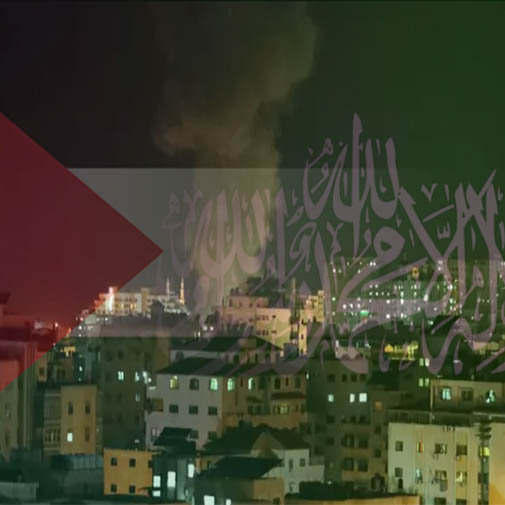
Iran has sponsored terrorists and stockpiled weapons inside Gaza, resulting in the Iran-funded Hamas’ barrage of hundreds of rockets into southern Israel on Monday. “Hundreds of Red Alert sirens rang out across Israel, including one as far as the Dead Sea,” reported The Jerusalem Post.
Reuters reported the day after the latest sanctions that, “Iran said it has so far been able to sell as much oil as it needs and urged European countries opposed to U.S. sanctions to do more to shield Iran.”
Still, Ari Shapiro of NPR reported, “More than a million barrels a day of crude oil have been taken off the global market thanks to the Trump administration's decision to sanction Iranian oil exports.”
“Everyone from China to the U.K. has opposed breaking the nuclear deal to penalize Iran’s regional bad behavior,” wrote Time Magazine's National Security Correspondent W.J. Hennigan on November 8. “And as the 2015 deal showed, getting Iran to back down requires a unified front.”
“The only thing the Iranian leadership deems more dangerous than suffering from sanctions is surrendering to them,” said Ali Vaez, the Iran project director at the International Crisis Group, a Brussels-based nonprofit that says it works "to prevent wars and shape policies that will build a more peaceful world.”
“Whether the exemptions, or the willingness of powerhouse Asian countries to help Iran weather the US sanctions, will mean the sanctions are insufficient to change the Islamic Republic’s behavior remains to be seen,” wrote Yonah Jeremy Bob, The Jerusalem Post’s intelligence, terrorism and legal analyst.
Your gift to Jewish Voice today supports our ministry partners in Israel who actively work for peace. You will help make our Outreaches possible, which deliver medical help and hope to Jewish people and their neighbors in Israel, Africa and throughout the world.


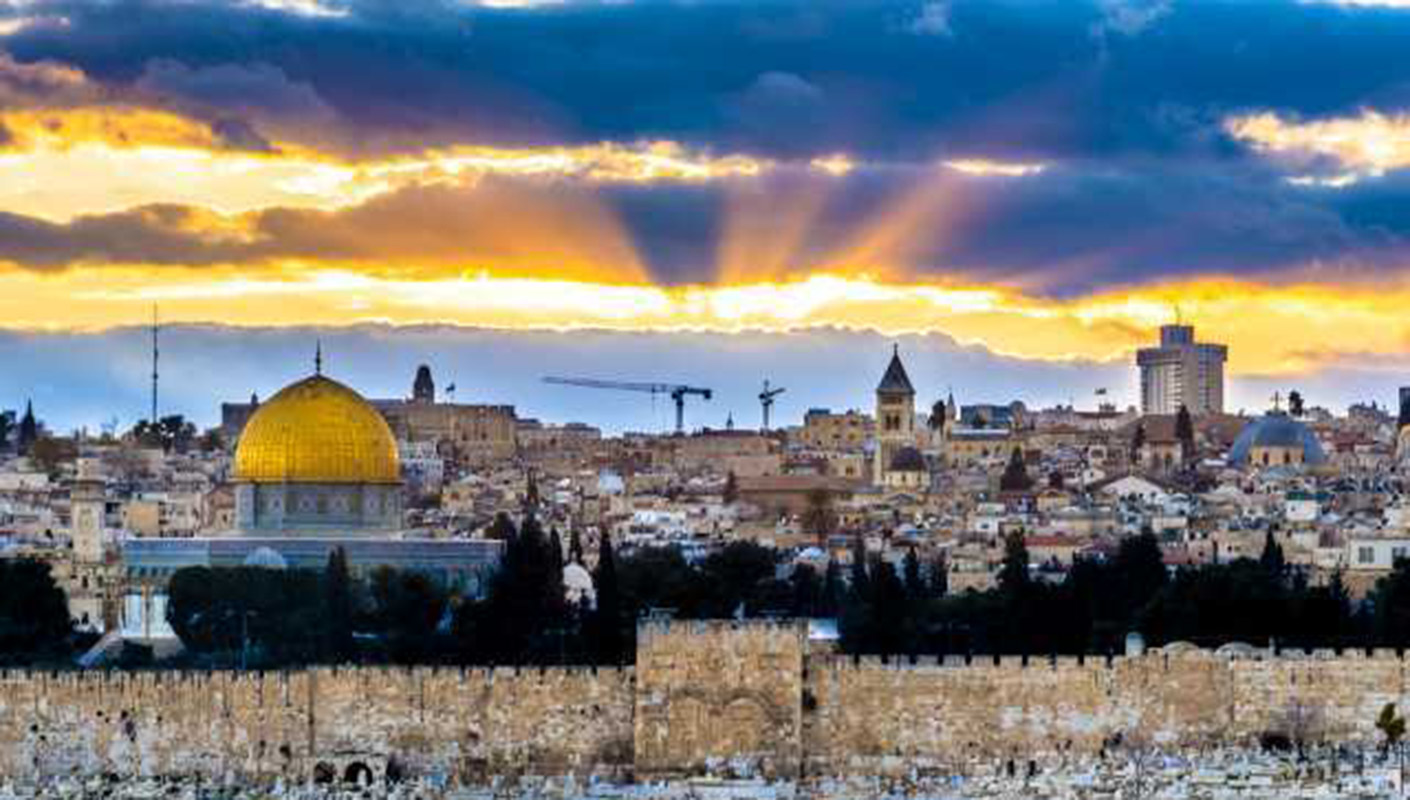
Israel has come under scrutiny for its military actions in Gaza
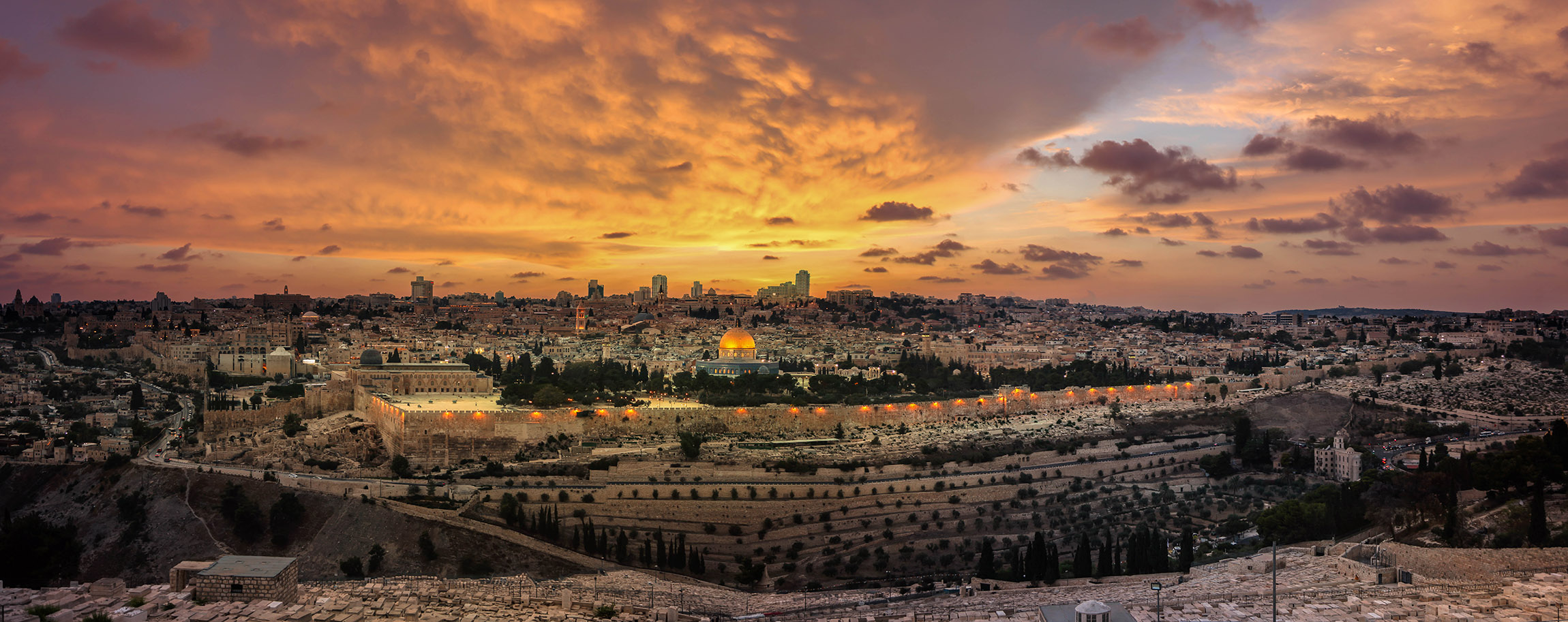
God’s love for Israel shows through His favor toward those who love her. “Pray for the peace of Jerusalem: ‘May those who love you be secure’” (Psalm 122:6).

The United States has an established history of standing with Israel. Since President Truman supported the founding of the State of Israel in 1948...
.png)
Learn about Israel's three national holidays in April: Yom HaShoah (Holocaust Remembrance), Yom HaZikaron (Memorial Day), and Yom HaAtzmaut (Independence Day).





.jpeg)
.jpeg)